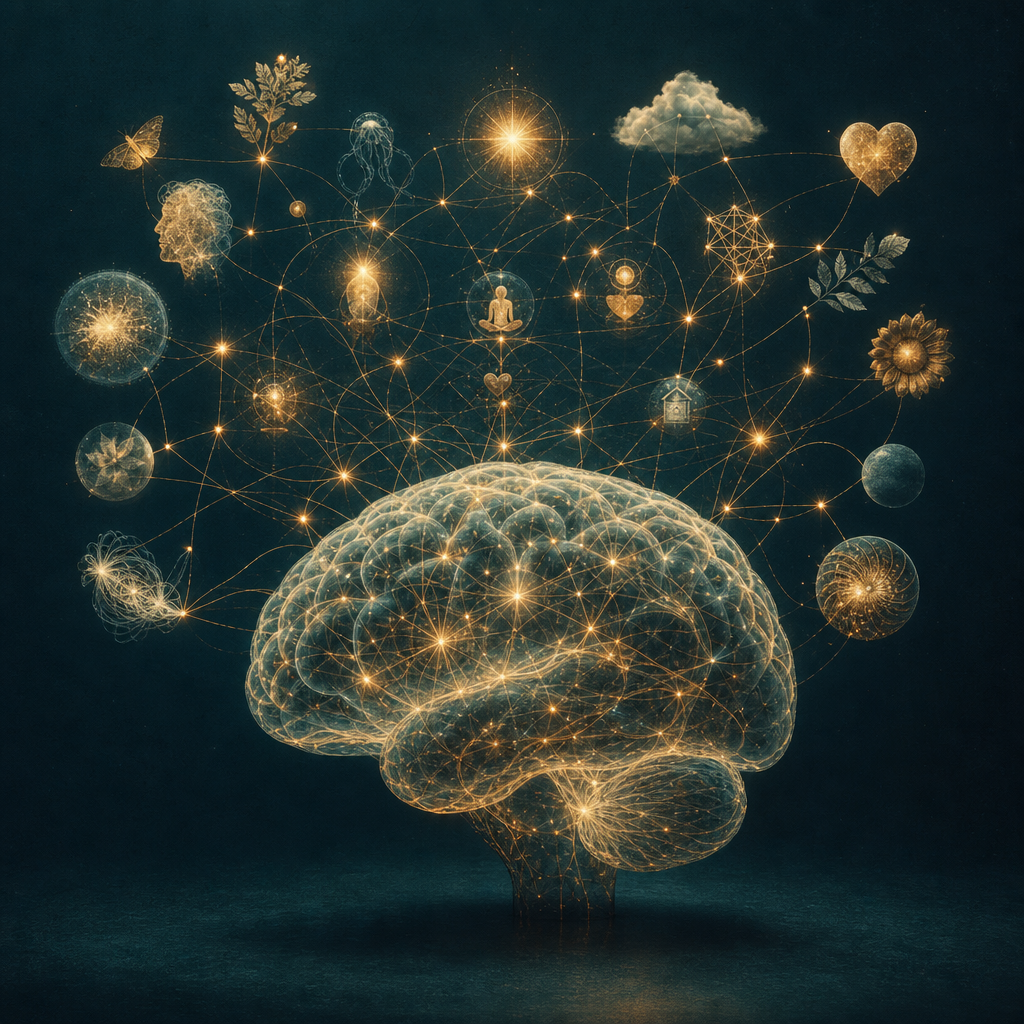
AI Unveils the Brain's Emotional Map
Understanding how humans process and organize emotions has long been a complex challenge. Recent research from Emory University leverages artificial intelligence to shed light on this intricate system, revealing that our brains chart emotions in a map-like structure.
The Study's Approach
Researchers combined human brain imaging data with AI neural networks to explore how emotions are represented in the brain. They focused on the hippocampal-prefrontal circuits, areas known for their role in forming cognitive maps. By analyzing patterns of brain activity, the study identified that these circuits support the mental mapping of emotions, organizing them based on valence (pleasantness) and arousal (intensity of bodily reactions).
Key Findings
The study found that the interior part of the hippocampus represents broad categories of emotions, such as distinguishing between positive and negative feelings. In contrast, the posterior region handles more granular, nuanced emotional concepts. This hierarchical organization suggests that our brains use a structured approach to process and recall emotional experiences.
Implications for AI and Psychology
These insights have significant implications for both fields. For AI, understanding the brain's natural organization of emotions can inform the development of more sophisticated models that mimic human emotional processing. In psychology, this research provides a clearer picture of how emotions are structured in the brain, potentially influencing therapeutic approaches and our understanding of emotional disorders.
Future Directions
The researchers aim to explore how this emotional mapping develops over time and varies among individuals, including those with mental health issues. They also plan to investigate cultural differences in emotional representation, offering a more comprehensive understanding of human emotions.