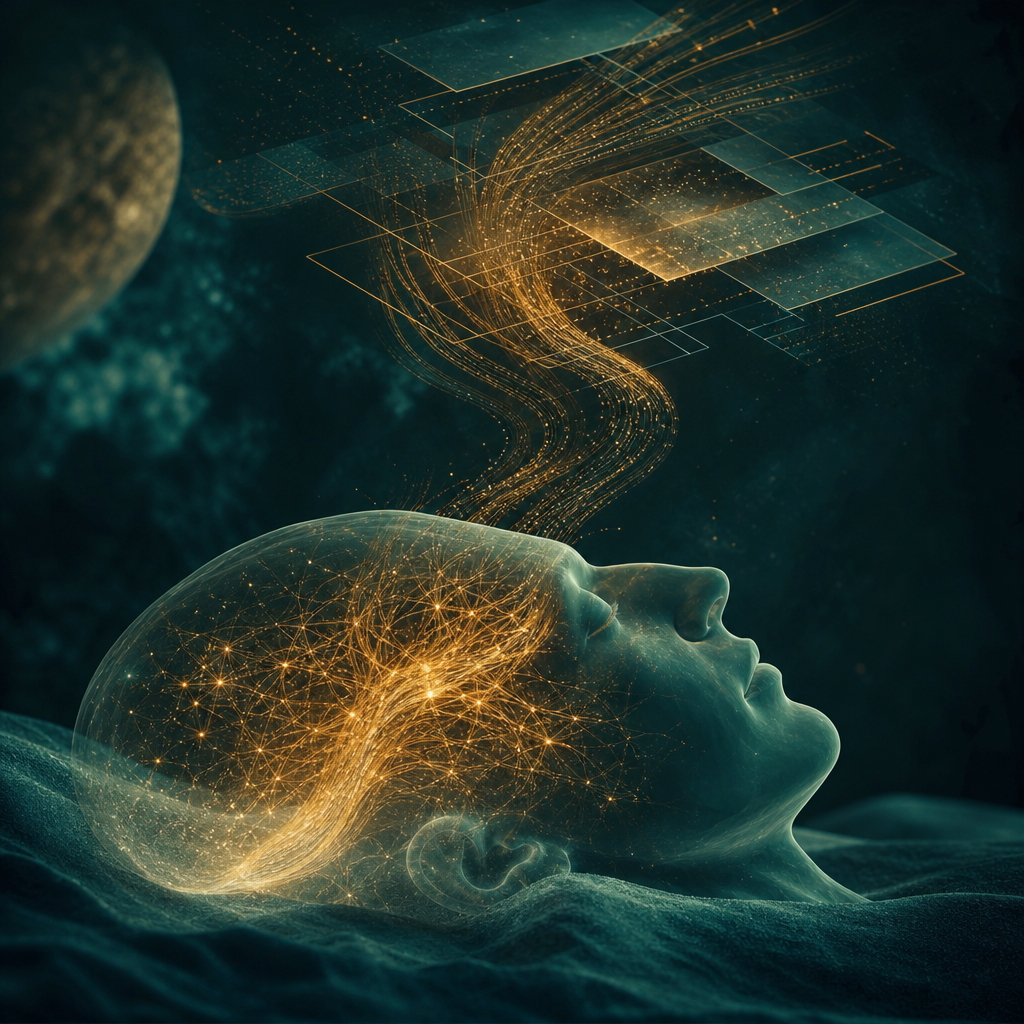
AI and Sleep: A New Frontier in Neurological Research
Understanding the human brain during sleep has long been a challenge. Traditional methods often require patients to spend nights in clinical settings, which can be both inconvenient and costly. Enter Beacon Biosignals, a company leveraging artificial intelligence to revolutionize how we study the sleeping brain.
The Approach: AI-Driven Analysis of Sleep Data
Beacon Biosignals employs AI to analyze electroencephalogram (EEG) data collected from patients during sleep. By processing vast amounts of data, their AI models can identify patterns and anomalies that might be indicative of neurological disorders. This method allows for more efficient and accurate analysis compared to traditional techniques.
Early Detection of Neurological Disorders
One of the most promising applications of this technology is the early detection of conditions like Alzheimer's and Parkinson's disease. Changes in sleep patterns often precede other symptoms of these disorders. By identifying these changes early, interventions can be implemented sooner, potentially slowing disease progression.
At-Home Monitoring: Bringing the Lab to the Bedroom
Beacon Biosignals has also expanded into at-home sleep monitoring. This approach not only makes data collection more comfortable for patients but also provides a more natural sleep environment, leading to more accurate data. The company acquired an at-home sleep apnea testing service, broadening their reach and impact.
Implications for Mental Health
Beyond neurological disorders, this AI-driven analysis has implications for mental health. Sleep disturbances are common in conditions like depression and anxiety. By understanding the brain's activity during sleep, clinicians can develop more targeted treatments for these mental health issues.
The Road Ahead
While the technology is promising, it's still in its early stages. Further research and validation are necessary to ensure accuracy and reliability. However, the potential benefits—early detection, personalized treatment plans, and improved patient outcomes—make this an exciting development at the intersection of AI and psychology.