AI's Role in Advancing Psychological Science: A New Frontier
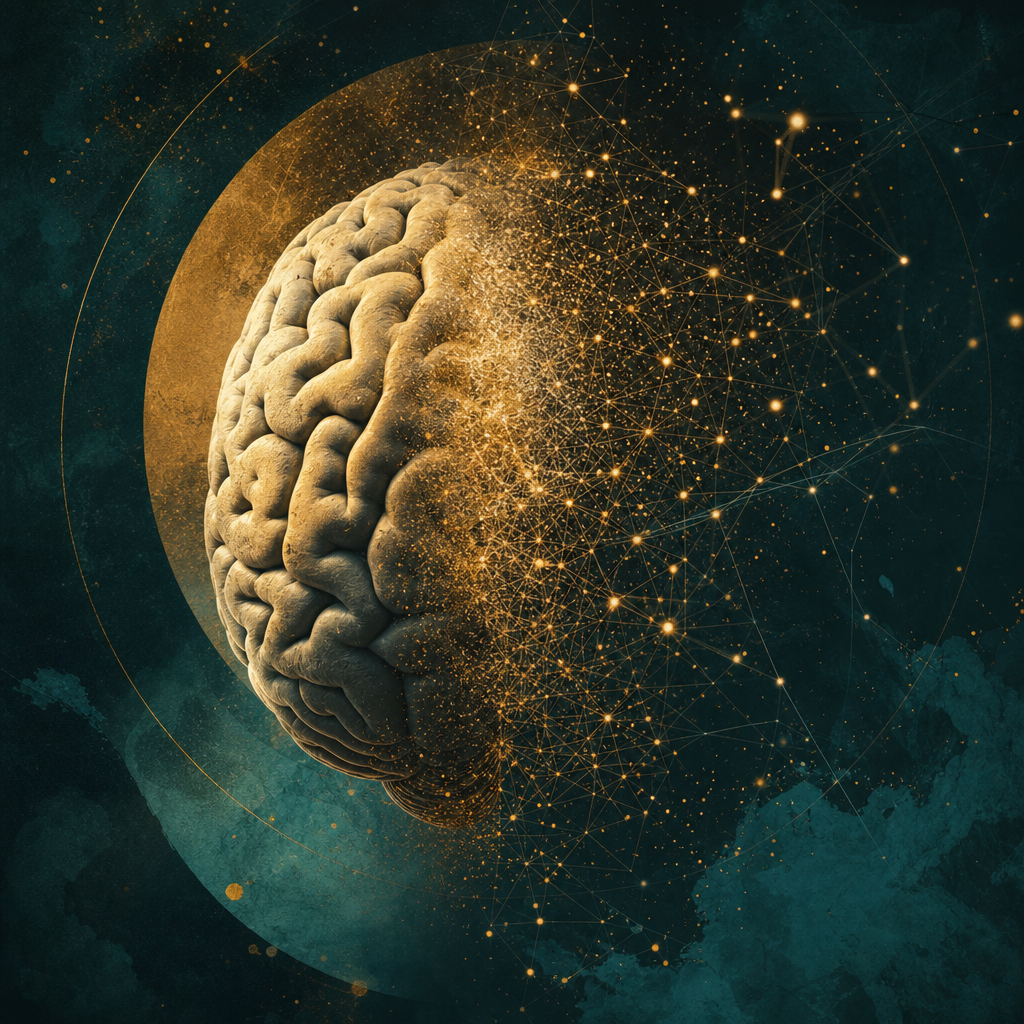
Artificial intelligence (AI) is reshaping various fields, and psychology is no exception. Recent developments highlight how AI is not just a tool for analysis but also a model for understanding complex psychological processes.
AI as a Model for Psychological Processes
A recent commentary in the British Journal of Psychology discusses how AI can advance psychological science by serving as a computational model of the very processes the field seeks to explain. The author emphasizes AI's unprecedented ability to generate high-level perceptual and cognitive human-like representations, providing psychologists with powerful new tools to understand the human mind and behavior. (cris.tau.ac.il)
AI in Hypothesis Generation
Researchers have introduced a groundbreaking approach for computational hypothesis generation in psychology by leveraging the synergy between causal knowledge graphs and large language models (LLMs). By analyzing thousands of psychology articles, they created a specialized causal graph for psychology. Applying link prediction algorithms, they generated potential psychological hypotheses, demonstrating that combining LLMs with machine learning techniques can revolutionize automated discovery in psychology. (arxiv.org)
AI in Brain–Computer Interfaces
The upcoming AI4BCI symposium in June 2026 is set to unite machine learning, neural engineering, and human-centered translation under one program. This event underscores the growing intersection of AI and brain–computer interfaces, highlighting the potential for AI to enhance our understanding of neural processes and develop innovative therapeutic tools. (ai4bci.org)
Ethical Considerations
As AI becomes more integrated into psychological research, ethical considerations come to the forefront. The Institute for Advanced Study at the University of Amsterdam recently hosted a session on the responsible use of AI, focusing on safeguarding public mental health with policy, science, and citizen science. This highlights the importance of developing guidelines to ensure AI's ethical deployment in psychological contexts. (ias.uva.nl)
Conclusion
The integration of AI into psychology offers exciting opportunities to deepen our understanding of the human mind. By embracing AI as both a tool and a model, psychologists can explore new frontiers in research, provided they navigate the ethical implications thoughtfully.
Sources
- How AI can advance psychological science - Tel Aviv University
- Automating psychological hypothesis generation with AI: when large language models meet causal graph
- AI for BCI 2026 — Artificial Intelligence for Brain–Computer Interface
- Responsible use of AI - Institute for Advanced Study IAS - University of Amsterdam